Clinical Supervision & Coaching
35+ years’ experience across mental health, wellbeing & community services
Trauma-informed, independent, and reflective support
Brighton & Hove | Online across the UK
Experience-Informed
& Identity- Aware Support
These Areas of Focus can provide a starting point for coaching or mentoring, shaped around personal or professional experiences, identity, wellbeing and change. They may also be explored within clinical supervision, reflective practice or other work commissioned by organisations, where they are relevant to the person, their role or the communities they support.
My approach draws on professional and lived experience, relevant training and continuing development, as well as community research and consultation. Each area offers space to reflect, explore and make sense of experience in a way that is responsive to individual circumstances, identity, context and pace.

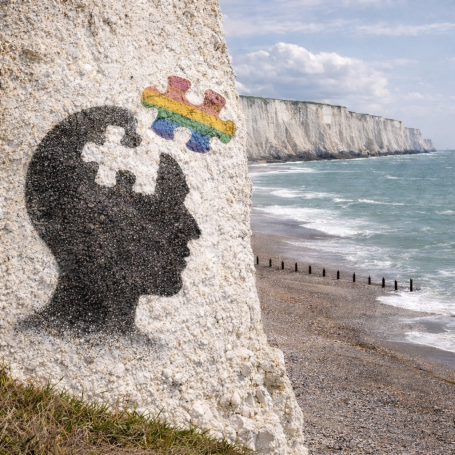

Neuro-Affirming Support
Neuro-affirming coaching and mentoring offer a person-centred space to explore how neurodivergence, or possible neurodivergence, may shape your wellbeing, identity, confidence, relationships, work and everyday life. You do not need a formal diagnosis, and the focus is guided by your priorities, circumstances and pace.
Neurodivergence may also be explored within clinical supervision or reflective practice, including its relationship to professional identity, working environments, communication, emotional impact and support needs.
This approach recognises and values different ways of thinking, processing, communicating and making sense of the world. It also recognises that many difficulties arise from environments, expectations and systems that were not designed with neurodivergent people in mind. Support is compassionate, strengths-based and responsive to individual communication styles, sensory needs, executive functioning and access requirements.
Support may be helpful if you are:
- exploring possible neurodivergence, assessment or diagnosis
- developing your understanding of your neurodivergent identity
- experiencing masking, overwhelm, exhaustion or burnout
- feeling misunderstood or out of step in particular environments
- exploring ways to organise life, relationships or work that feel more sustainable and aligned with your needs
- considering disclosure, adjustments or additional support
Sessions may include:
- exploring identity, strengths, needs and recurring patterns
- understanding sensory needs, energy and overwhelm
- developing supportive routines, structures and ways of working
- exploring organisation, planning, prioritisation, task initiation and transitions
- developing emotional awareness and ways of responding to difficult emotions
- exploring shame or self-criticism
- strengthening self-understanding and self-advocacy
Sessions are sensory-aware and flexible. This may include adapting communication and pace, using visual tools, incorporating movement, or using physical supports such as fidgets or grounding objects where helpful.
Access to Work:
If you are considering applying for Access to Work, currently applying or already have workplace coaching approved, I can provide confidential, neuro-affirming coaching shaped around your priorities, role and support needs.
Find out more about Access to Work coaching, applications, funding arrangements and confidentiality.
LGBTQ+ Identity, Experience & Wellbeing
This offers a confidential, LGBTQ+ affirming space for people who are exploring or navigating sexuality, gender, identity and belonging. Coaching and mentoring can provide space to consider how these experiences shape wellbeing, confidence, relationships, life choices and a sense of safety.
LGBTQ+ identity and experience may also be explored within clinical supervision or reflective practice. This may be particularly relevant for people supporting LGBTQ+ communities, working in identity-specific or by-and-for services, or bringing their own identity and lived experience into their work.
My approach recognises that our experiences are shaped by relationships, community, culture and wider social and political circumstances, including the continuing impact of discrimination, exclusion and anti-LGBTQ+ hostility.
Support may be helpful if you want to:
- develop confidence, self-acceptance and pride in your identity
- explore sexuality, gender or expression
- navigate coming out, gender transition or changes in how you understand your identity
- explore shame, internalised stigma or experiences of not feeling that you fit in
- make sense of loneliness, isolation or disconnection
- think through relationships, intimacy and belonging
- explore the impact of discrimination or anti-LGBTQ+ hostility
- understand how different identities, experiences and life transitions intersect
This work is trauma-informed, compassionate and person-centred. It draws on more than 25 years of professional experience delivering, developing and leading LGBTQ+ mental health, advocacy and wellbeing services, alongside lived experience and understanding of LGBTQ+ community contexts.
Imposter Feelings
Imposter feelings can affect confidence, belonging and the ability to recognise your own strengths and achievements. They may arise within personal or professional life, particularly in situations shaped by identity, lived experience, marginalisation, change, increased responsibility or unfamiliar expectations.
Coaching or mentoring can provide space to understand these experiences without treating them as a personal failing. Within clinical supervision or reflective practice, this may include exploring confidence, authority, professional identity and the pressures associated with responsibility or leadership.
This work considers how beliefs about competence, success and worth can be shaped by experience, culture, education, discrimination and organisational environments.
Sessions may explore:
- how you understand and judge your capabilities and achievements
- minimising strengths or attributing success mainly to luck
- comparison and the experience of feeling different or out of place
- perfectionism, pressure and unrealistic expectations
- confidence when taking on change, responsibility or leadership
- boundaries around workload, expectations and responsibility
The aim is not necessarily to eliminate imposter feelings, but to understand what contributes to them and develop greater self-trust and a steadier, more grounded sense of confidence.
Ageing, Identity & Transitions
Ageing and life transitions can bring growth, possibility and change, as well as questions about identity, relationships, health, purpose and direction. Coaching or mentoring can offer space to explore what living well means to you as your life, needs or circumstances change.
These themes may also arise within clinical supervision and reflective practice, including experiences connected with later working life, changing professional roles, caring responsibilities, retirement, or supporting older people and people living with dementia.
Concerns about ageing are not limited to later life. Thoughts about time passing, appearance, purpose, mortality or “falling behind” can emerge much earlier and affect confidence, wellbeing and how the future is imagined. Wider social attitudes, including ageism, can also shape visibility, opportunity and self-worth.
Support may be helpful if you are:
- navigating changes in identity, purpose or direction
- experiencing loneliness, isolation or disconnection
- adjusting to changes in health, mobility or independence
- making sense of changes or losses connected with appearance, roles or relationships
- living with bereavement or ongoing grief
- noticing shame or internalised beliefs about ageing
- reflecting on retirement, caring responsibilities or changing roles
- thinking about mortality, legacy or preparing for the future
- wanting to feel more confident, visible, heard and connected
There may also be space to explore both loneliness and aloneness, recognising that being alone is not necessarily the same as being lonely, and that living alone may be chosen, unexpected or shaped by circumstance.
My approach is strengths-based and grounded in respect for your experience, values and resilience. Together, we can explore what feels meaningful and sustainable for you now, without imposing a particular idea of what ageing or living well should look like.
Men’s Wellbeing
Men’s wellbeing support offers space to explore identity, emotional wellbeing and your relationship with masculinity. It is open to men, trans and non-binary people, and anyone who wants to reflect on experiences connected with being male or masculine.
Coaching or mentoring can provide space to talk openly about personal experiences, relationships, confidence and change. These themes may also arise within clinical supervision or reflective practice, including when considering professional identity, workplace cultures or the experience of supporting men and masculine people.
Masculinity is shaped by culture, relationships, sexuality, identity and social expectations, including ideas about what makes a man and how men are expected to behave. These influences can affect emotional expression, connection, help-seeking, confidence and a sense of belonging.
Support may be helpful if you are:
- exploring identity, masculinity or your sense of self
- navigating sexuality, personal presentation or self-expression
- experiencing pressure connected with expectations, roles or responsibility
- feeling isolated, disconnected or unable to open up
- exploring stress, anger, communication or emotional expression
- questioning patterns within relationships
- experiencing shame, self-criticism or a sense of not measuring up
- developing confidence, assertiveness and non-aggressive communication
- thinking about purpose, direction or life transitions
There is space to reflect on both the pressures and privileges associated with masculinity, and on how identity, power and social context shape experiences and opportunities. This can include exploring how to take up space in ways that feel authentic, respectful and accountable.
My approach is strengths-based and grounded in respect, curiosity and compassion. Together, we can explore what wellbeing and connection mean to you, while supporting a clearer and more confident relationship with yourself and others.
Trauma, Wellbeing & Resilience
Trauma-informed coaching or mentoring can provide a supportive space to understand how trauma and difficult experiences may continue to affect wellbeing, relationships and everyday life. This might include feeling overwhelmed, disconnected, on edge or caught in patterns that are difficult to understand or change.
Trauma may also be explored within clinical supervision or reflective practice, including the emotional impact of supporting others, trauma-aware practice, boundaries, ethical decision-making and experiences of secondary or vicarious trauma.
My approach gives careful attention to safety, choice and pace. It does not involve trauma therapy or require you to revisit or relive past experiences. The focus is on developing understanding, strengthening stability and finding supportive ways of responding in the present. Where needs fall outside the scope of coaching or supervision, I will discuss appropriate specialist support with you.
Support may be helpful if you are:
- experiencing strong, confusing or overwhelming emotional responses
- feeling anxious, on edge, numb or disconnected
- noticing patterns of avoidance, shutdown or reactivity
- struggling with trust, safety, boundaries or connection
- wanting to understand responses, patterns or triggers
- looking for more manageable ways of coping with stress
- rebuilding confidence, self-trust or a sense of stability
- navigating the impact of trauma across personal life, relationships or work
Sessions may include exploring responses often described as fight, flight, freeze or fawn, and how these can appear in everyday life. There may also be space to develop awareness of triggers, grounding strategies, supportive boundaries and sources of safety and connection.
The approach is compassionate, strengths-based and paced carefully. It recognises that people respond to trauma differently and supports you to develop greater understanding, choice and steadiness in ways that feel realistic and sustainable.
Winter Wellbeing & Seasonal Support
Seasonal change and particular times of year can affect mood, energy, motivation, routine, relationships and emotional wellbeing.
Darker months, anniversaries, festive periods and other significant times may bring isolation, grief, pressure, exhaustion or disconnection.
These experiences may be influenced by changes in light and weather, financial pressures, family dynamics, identity, social expectations, loss, changing routines and memories associated with particular dates or seasons. Seasonal experiences are personal and can affect people biologically, emotionally, socially and practically in different ways.
Coaching or mentoring can provide space to understand your seasonal patterns and develop supportive ways of responding. Seasonal wellbeing may also be explored within clinical supervision or reflective practice, including the effects of changing energy, capacity, workload, service pressures and emotionally significant times of year.
Support may include:
- recognising personal patterns and early signs of change
- preparing for seasons, anniversaries or significant periods
- understanding changes in mood, sleep, energy and capacity
- developing realistic routines and seasonal wellbeing plans
- exploring grief, isolation, connection and belonging
- reflecting on family, social or festive expectations and boundaries
- adapting sources of comfort, grounding and support
- approaching transitions between seasons with greater awareness and choice
The focus is not on pushing through difficult periods or assuming that everyone experiences seasons in the same way. Sessions are flexible, trauma-informed and guided by your circumstances and priorities, with an emphasis on compassionate, realistic and sustainable support.
How this work fits together
Although these areas are described separately, people’s lives and experiences rarely fit into distinct categories. Identity, wellbeing, relationships, work, life changes and wider circumstances often overlap and affect one another.
Sessions can move naturally between different themes according to what feels most relevant, whether you are accessing coaching, mentoring, clinical supervision or reflective practice. The focus remains guided by your priorities, circumstances and pace.
My approach draws on extensive experience across mental health, advocacy, suicide prevention and community wellbeing, alongside lived experience, relevant training and continuing development. This supports thoughtful and grounded exploration of complexity, safety and emotional wellbeing.
Please get in touch for the relevant price guide or to discuss rates, payment options, block-booking discounts and the availability of reduced-rate support.
© Jason Saw 2026. All rights reserved.
Get in touch
For more information,
or to book a free 20-minute discovery call