Clinical Supervision & Coaching
35+ years’ experience across mental health, wellbeing & community services
Trauma-informed, independent, and reflective support
Brighton & Hove | Online across the UK
Specialist,Themed &
Identity-Informed Support
Supporting reflection, identity, and wellbeing across different areas of experience
Alongside general coaching, I offer specialist, themed, and identity-informed support in several areas. This work is grounded in professional experience, specialist training, community research and consultation, alongside lived experience and sits within a coaching, mentoring, and wellbeing framework.
Each area creates space to explore your experience in a way that is reflective, practical, and responsive to your context.


Neurodivergent Coaching
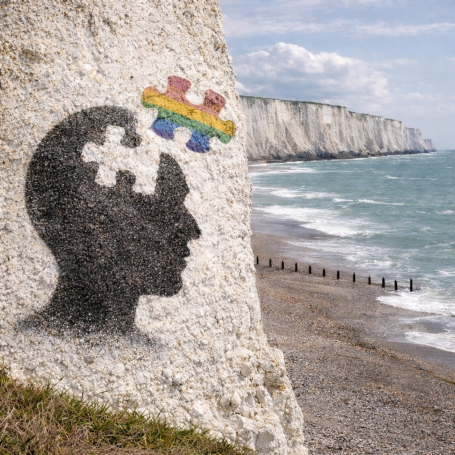
Neurodivergent coaching offers an affirming space to explore how neurodivergence, or possible neurodivergence shapes wellbeing, confidence, relationships, and everyday life.
This work recognises that many challenges arise not from who you are, but from environments, expectations, and systems that were not designed with neurodivergent people in mind. Support is compassionate, strengths-based, and paced to honour sustainability, boundaries, and sensory needs.
Support may be helpful if you are:
- navigating diagnosis, self-identification, or questioning
- managing masking, overwhelm, or burnout
- feeling misunderstood or “out of step” in certain environments
- working out how to organise life, relationships, or work in ways that feel more aligned
Sessions may include:
- exploring identity, self-understanding, strengths and patterns
- developing supportive routines
- working with shame or self-criticism
- strengthening self-advocacy
- making decisions about disclosure, adjustments, or support needs
Coaching can also support:
- sensory regulation (managing overwhelm, energy, environment)
- executive functioning (organisation, planning, transitions)
- emotional processing (recognising and working with emotions)
Sessions are sensory-aware and flexible. This may include visual tools, movement, or the use of physical supports such as fidgets or grounding objects where helpful.
© Jason Saw 2026. All rights reserved.
LGBTQ+ Identity & Wellbeing
This work offers confidential, one-to-one support for people who identify with, or are exploring, lesbian, gay, bi, trans, queer, or non-binary identities and experiences. This creates space to explore sexuality, gender, identity, and belonging, and how these shape wellbeing, confidence, relationships, and a sense of safety in the world.
This work recognises that identity is influenced by relationships, community, culture, and wider social and political contexts, and that these can have a real and ongoing impact.
Support may be helpful if you want to:
- build confidence, self-acceptance, and pride in identity
- explore questions around sexuality, gender, or expression
- navigate coming out, transition, or identity change
- reflect on shame, internalised stigma, or experiences of not feeling you “fit in”
- make sense of loneliness, isolation, or disconnection
- think through relationships, intimacy, and belonging
- explore the impact of discrimination or anti-LGBTQ+ hostility
- reflect on intersectionality and life transitions
This work is trauma-informed, compassionate, and person-centred, informed by over 25 years’ experience delivering and leading specialist LGBTQ+ mental health and wellbeing services, alongside lived understanding of LGBTQ+ community contexts.
© Jason Saw 2026. All rights reserved.
Imposter Feelings
This work focuses on understanding self-doubt, comparison, and a sense of not belonging, particularly in contexts shaped by identity, lived experience, marginalisation, or high responsibility.
Rather than viewing imposter feelings as a personal failing, this work explores how beliefs about competence, success, and worth are shaped by experience, culture, education, discrimination, and organisational context.
Sessions may explore:
- how you judge your own capability and achievements
- patterns such as minimising strengths or attributing success to luck
- the impact of comparison or “feeling different in the room”
- perfectionism, pressure, and unrealistic expectations
- boundaries around workload and responsibility
The focus is not on eliminating imposter feelings, but on understanding where they come from and developing a steadier, more grounded sense of confidence.
© Jason Saw 2026. All rights reserved.
Ageing, Identity & Transitions
This work offers space to reflect on ageing, identity, and what it means to live well as life changes over time.
Ageing can bring both growth and challenge, including changes in identity, relationships, health, roles, and sense of direction. It also recognises the impact of wider social attitudes, including ageism, and how these can shape confidence, visibility, and self-worth.
This work is not only for people in later life. For some people, concerns about ageing, time passing, appearance, purpose, or “falling behind” can emerge much earlier and may shape wellbeing, confidence, or how they experience themselves and their future.
Support may be helpful if you are:
- navigating changes in identity, purpose, or direction
- experiencing loneliness, isolation, or disconnection
- adjusting to changes in health, mobility, or independence
- making sense of loss, including youth, appearance, roles, or relationships
- processing bereavement or ongoing grief
- noticing shame or internalised beliefs about ageing
- wanting to strengthen confidence, assertiveness, and a sense of being seen and heard
- reflecting on retirement, changing roles, or later-life transitions
- thinking about mortality, legacy, or preparing for the future
This work may include space to explore both loneliness and aloneness, recognising that aloneness is not the same as loneliness, and for some people may involve navigating life alone, with or without choice.
Sessions may include reflection on identity, connection, loss, safety, and what “living well” means to you now.
The approach is strengths-based and grounded in respect for your experience, values, and resilience; supporting you to move forward in ways that feel realistic, meaningful, and sustainable.
© Jason Saw 2026. All rights reserved.
.Men’s Wellbeing
This work offers space to explore identity, wellbeing, and the experiences of being a man or relating to masculinity.
It is open to anyone who identifies with, or has experience of, being male, masculine, or connected to men’s or masc-based experiences, including trans and non-binary people.
Experiences of masculinity are shaped by identity, culture, relationships, sexuality, and social expectations, including ideas about “what makes a man.” This creates space to reflect on how these influences impact emotional wellbeing, connection, confidence, sense of self, and how you move through the world.
Support may be helpful if you are:
- exploring identity, masculinity, or sense of self
- navigating sexuality, personal presentation, or how you express yourself
- feeling pressure around expectations, roles, or responsibility
- experiencing isolation, disconnection, or difficulty opening up
- wanting space to share feelings and experiences in a way that feels safe and understood
- exploring stress, anger, communication, or difficulty expressing emotions
- questioning patterns or behaviours in relationships
- experiencing shame, self-criticism, or a sense of not “measuring up”
- wanting to build confidence, assertiveness, and non-aggressive communication
- thinking about purpose, direction, or life transitions
This work supports reflection on both the pressures and privileges associated with masculinity, including how intersectionality, power, and social context shape experience, identity, and opportunity in different ways. It also creates room to explore what it means to take up space in ways that feel authentic, respectful, and grounded.
Sessions may include reflection on identity, relationships, emotional expression, boundaries, responsibility, and what wellbeing means to you.
The approach is strengths-based and grounded in respect, curiosity, and accountability, supporting you to develop a clearer, more confident, and more connected way of being.
© Jason Saw 2026. All rights reserved.
Trauma Experience - Wellbeing & Resillience
This work offers a reflective, supportive space to understand and respond to the impact of trauma.
It recognises that trauma can affect how you think, feel, relate to others, and experience the world, sometimes long after events have passed. This may include feeling overwhelmed, disconnected, on edge, or stuck in patterns that are difficult to shift.
Support is grounded in a trauma-informed approach, with careful attention to safety, pacing, and choice. The focus is not on revisiting or reliving past experiences, but on building understanding, stability, and more supportive ways of responding in the present.
Support may be helpful if you are:
- experiencing strong or confusing emotional responses
- feeling overwhelmed, anxious, or constantly “on edge”
- noticing patterns of avoidance, shutdown, or reactivity
- struggling with trust, safety, or connection
- finding it difficult to regulate emotions or manage stress
- feeling stuck, numb, or disconnected
- wanting to better understand your responses and triggers
- looking to build safer, more manageable ways of coping
This work can include understanding common trauma responses, such as fight, flight, freeze, or fawn, and how these can show up in everyday life. It creates space to notice patterns, develop awareness, and respond in ways that feel safer and more grounded.
Sessions may include:
- developing awareness of triggers and responses
- building emotional regulation and grounding skills
- exploring boundaries, safety, and self-protection
- strengthening resilience and self-trust
- supporting stabilisation and day-to-day wellbeing
The approach is strengths-based and paced carefully, recognising that recovery is not always linear and looks different for everyone. The focus is on supporting you to feel more steady, more informed, and more in control of how you respond, in ways that feel realistic and sustainable.
© Jason Saw 2026. All rights reserved.
Winter Wellbeing & Seasonal Support
Seasonal change and particular times of year can affect energy, mood, motivation, routine, connection and emotional wellbeing in different ways.
For many people, darker months and winter can increase feelings of isolation, overwhelm, grief, exhaustion or disconnection. Other seasonal transitions, anniversaries, festive periods and socially significant times of year can also bring changes in wellbeing, capacity, relationships or support needs.
Seasonal experiences may be shaped by many factors, including changes in light and weather, financial pressure, family dynamics, bereavement and other experiences of loss, identity, social expectations, isolation, changing routines or significant life experiences associated with particular times of year.
This work recognises that seasonal change can affect people biologically, emotionally, socially and practically. The focus is not on “pushing through” difficult periods or assuming that everyone experiences seasons in the same way, but on developing supportive ways of responding that feel realistic, compassionate and sustainable.
Support may be helpful if you are:
- experiencing seasonal low mood, reduced motivation or exhaustion
- finding darker months or seasonal transitions emotionally difficult
- feeling isolated, disconnected or withdrawn at particular times of year
- noticing changes in routine, sleep, energy, capacity or self-care
- anticipating challenges around festive periods, anniversaries or family dynamics
- experiencing grief, loneliness or a heightened sense of loss during particular seasons
- noticing that certain weather, changes in light, dates or recurring times of year affect your wellbeing
- wanting to prepare for a difficult season or significant period more intentionally
- adjusting as one season ends and another begins
- looking to develop more supportive and sustainable ways of responding to seasonal change
Sessions may include:
- understanding personal seasonal patterns and early signs of change
- preparing for seasons or significant periods that may be more difficult
- developing supportive routines and realistic seasonal planning
- understanding changes in energy and capacity
- focusing on consistency and sustainability rather than pressure or productivity
- exploring changing needs for connection, belonging, company or space
- developing personalised approaches to comfort, grounding and regulation
- reflecting on expectations, comparison, boundaries or pressure linked to festive and socially significant periods
- exploring grief, loss and seasonal or anniversary reminders
- reflecting on seasonal transitions and what may need to continue, change or adapt
- developing personalised wellbeing tools, coping plans or reflective resources
Sessions are paced flexibly and recognise that seasonal experiences are personal and may change over time. The approach is strengths-based, trauma-informed and reflective, with a focus on developing greater awareness and realistic, sustainable ways of responding to seasonal change.
© Jason Saw 2026. All rights reserved.
How this work fits together
While these areas are described separately, they are not fixed or siloed.
In practice, sessions often move fluidly between general coaching and the different areas of specialist support described above, depending on what feels most relevant.
This work is informed by extensive experience across mental health, advocacy, and suicide prevention services, supporting a grounded, thoughtful approach to complexity, safety, and emotional wellbeing.
These areas of experience also inform my wider clinical supervision and reflective practice work, particularly for practitioners working in complex or emotionally demanding contexts.
© Jason Saw 2026. All rights reserved.
Get in touch
For more information,
or to book a free 20-minute discovery call